
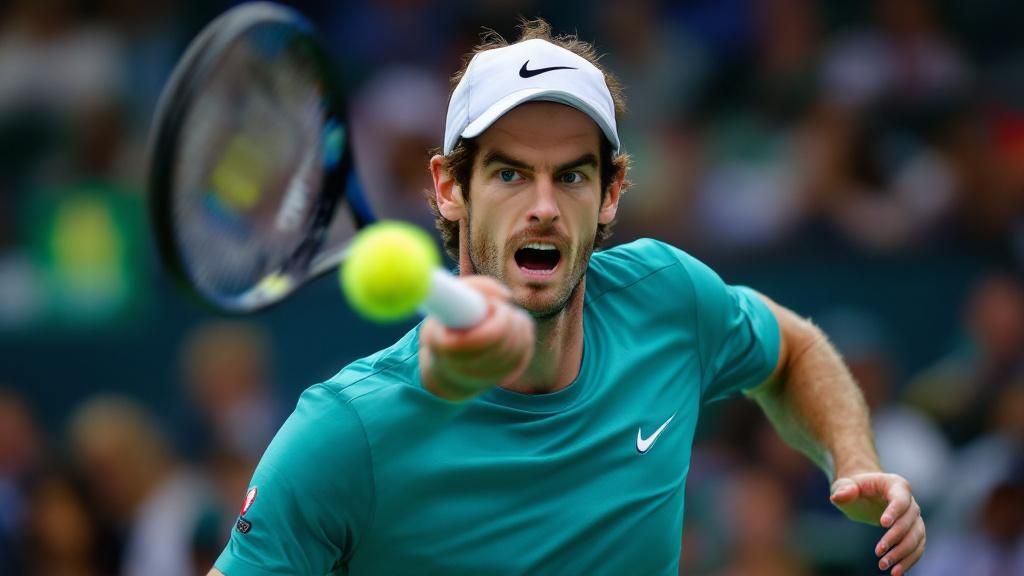
Andy Murray’s carefully orchestrated comeback to professional tennis has sent shockwaves through the British athletics hierarchy, indicating a likely revival for the nation’s most decorated player. Following his major surgical procedure, Murray’s strategic return to competitive play promises to transform the state of British tennis, encouraging a new generation whilst reigniting hopes of more Grand Slam triumphs. This article investigates how his disciplined method to competitive play is shaping grassroots development, supporting rising prospects, and establishing Britain as a powerful presence in international tennis.
The Returning Champion
Andy Murray’s return to professional competition represents far more than a personal achievement; it embodies grit and resolve that resonates throughout British sport. After enduring a career-threatening hip operation, many wondered whether the thrice Grand Slam victor would ever return to top-level competition. His decision to stage a comeback, however, displays steadfast dedication to his sport and an indomitable spirit that has defined his competitive life. The sporting world follows with authentic fascination as Murray tackles this transformative period, showing that age and physical setbacks need not determine an athlete’s trajectory or performance goals.
The significance of Murray’s calculated reentry extend well beyond his solo achievements on court. His involvement with professional tournaments reinvigorates British tennis, offering a concrete demonstration of perseverance to junior competitors facing their own obstacles. Moreover, his return story provides essential insights in psychological strength and physical rehabilitation, creating new markers for athletic longevity. As Murray competes once more, he concurrently guides the next generation, creating a bridge between established excellence and rising prospects that strengthens the entire British tennis ecosystem.
Impact on British Tennis Growth
Murray’s return to professional competition has sparked substantial progress within British tennis infrastructure. His involvement in premier competitions enhances the game’s standing domestically, generating greater funding in young player training schemes and training facilities. The wider impact go further than professional ranks, motivating community involvement and prompting national organisations to prioritise talent identification and support structures for rising British competitors.
Mentorship and Direction
Beyond his courtside performances, Murray has taken on an growing significant mentoring role within the British tennis community. His willingness to share experience gained from competing at the elite standard offers essential support to emerging talent navigating their own career trajectories. This informal coaching influence complements established programmes, offering practical insights into tournament preparation, psychological strength, and handling career demands.
Murray’s openness to up-and-coming athletes marks a shift away from conventional power structures within professional sport. By collaborating with gifted junior competitors, he shows dedication to British tennis’s collective advancement. His guidance stretches further than technical coaching, encompassing career development, sponsorship negotiations, and mental approaches vital to sustaining long-term competitive success at international level.
- Provides strategic guidance on tournament selection and scheduling
- Shares psychological strength techniques built over professional journey
- Facilitates introductions to training and support staff networks
- Demonstrates workplace excellence through consistent work ethic
- Encourages balanced approach between ambition and personal wellbeing
Competitive Standing and Results
Murray’s return to competitive play has exhibited considerable mental strength, with his performance metrics revealing a athlete seeking to recapture his position amongst tennis’s elite. Despite the constant physical pressures of professional competition, his ranking trajectory has progressively advanced, reflecting both his technical proficiency and mental fortitude. His successes against recognised opponents have sparked renewed debate about his potential to contend for championship victories, whilst simultaneously providing important insights on his physical rehabilitation and competitive readiness.
The deliberate strategy of Murray’s tournament selection has proven instrumental in managing his recuperation whilst preserving competitive edge. By thoughtfully juggling high-level competition with sufficient rest intervals, he has enhanced his performance trajectory without undermining lasting viability. His achievements have galvanised British tennis enthusiasts and analysts alike, demonstrating that prior injuries and advancing years need not diminish a competitor’s drive or accomplishments at the highest echelons of professional sport.
Upcoming Opportunities and Impact
Andy Murray’s calculated comeback to competitive tennis has fundamentally altered perceptions of what constitutes a successful tennis career. His thoughtful methodology demonstrates that extended careers and focused competition can exist together physical challenges, providing valuable lessons to emerging competitors across the world. The broader impact of his resurgence transcend individual success; Murray’s involvement in professional tennis revitalises UK tennis development, generating investment and media attention previously directed elsewhere. His influence on younger players exemplifies how seasoned expertise and determination transcend conventional career trajectories, creating updated measures for athletic perseverance.
Looking forward, Murray’s legacy will undoubtedly include more than tournament victories and ranking positions. His focus on nurturing rising British players has created a sustainable pathway for the next generation of competitors seeking international prominence. By combining competitive drive with coaching duties, Murray has positioned himself as both active participant and steward of British tennis’s future. This combined position reinforces the nation’s competitive infrastructure whilst ensuring his substantial knowledge benefits the sport long after his final competitive appearance, cementing his status as transformative figure within British sporting history.
